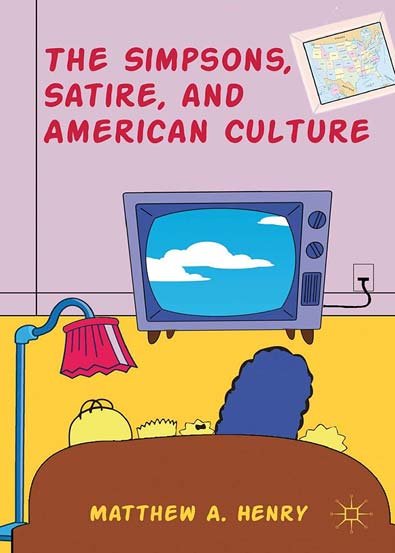
For decades, if you wanted a masterclass in Satire and Humor: The Simpsons' Take on NFL Culture has proven to be an unparalleled lens. This isn't just about cheap gags; it's a brilliant, biting critique delivered with a wink and a yellow smile, dissecting the very essence of America’s most popular, powerful, and often perplexing sport. From its earliest seasons in the 1990s, when the show solidified its iconic status and became a bona fide cultural phenomenon, The Simpsons has never shied away from lampooning the sacred cows of American life – and few cows are as sacred, or as prone to comedic slaughter, as the National Football League.
At a Glance: Springfield's Gridiron Glossary
- The Simpsons uses sharp satire to dissect the NFL's commercialism, exaggerated fandom, and underlying cultural issues.
- The show thrives on lampooning corporate greed, player stereotypes, and the often-absurd pomp surrounding the game.
- Its humor often highlights hypocrisy and uncomfortable truths about America's relationship with professional sports.
- Expect a blend of affectionate parody and pointed criticism, reflecting the sport's multifaceted appeal.
- Understanding The Simpsons' take helps us view mainstream culture, including the NFL, with a more critical and humorous eye.
The Pitch: Why the NFL is Prime Satire Fodder for Springfield
The Simpsons established itself early on as a complex cultural artifact, lauded for its satirical artwork as much as its commercial product. It's a show that prides itself on challenging dominant ideologies, engaging with politically charged issues, and ruthlessly critiquing what it views as the "complex, excessive, hypocritical, and often idiotic state of contemporary American culture." What better subject, then, than the National Football League?
The NFL isn't just a sport; it's a multi-billion dollar entertainment empire, a cultural touchstone, and a powerful agent of socialization that shapes conversations, holidays, and even municipal budgets across the nation. It embodies many of the same excesses and contradictions that The Simpsons loves to skewer. The league's blend of intense physical drama, larger-than-life personalities, stratospheric finances, and fervent, almost religious, fan devotion makes it an irresistible target for a show dedicated to holding up a funhouse mirror to American society.
Touchdown! The Show's Core Satirical Targets
The Simpsons' engagement with NFL culture isn't a random jab; it's a systematic deconstruction of various elements that make the league what it is. Each joke, each character cameo, each absurd scenario serves to expose the underlying truths and often ludicrous aspects of the football industrial complex.
The Cult of Fandom and Tribalism
Springfielders, much like real Americans, live and die by their favorite teams. The Simpsons frequently exaggerates this devotion to hilarious effect. We see characters like Homer, Moe, or Barney utterly consumed by game results, making irrational decisions, or engaging in bizarre rituals, all in the name of their beloved "Springfield Atoms" or a thinly veiled parody of a real team. This satire exposes the tribalism inherent in sports fandom, where loyalty often eclipses logic and identity becomes inextricably linked to team colors. The show subtly questions the lengths people go to for entertainment, blurring the line between passionate support and unhealthy obsession.
Corporate Greed and Commercialization
The NFL is a cash-generating machine, and The Simpsons is acutely aware of how commercial interests intertwine with the game. Episodes frequently mock the relentless product placement, the naming rights of stadiums (think "Duff Beer-field"), and the sheer amount of advertising crammed into every broadcast. The commissioner, often a composite character or a caricature of Roger Goodell, is portrayed as someone more concerned with profit margins and public relations than the integrity of the sport or the welfare of its players. This aligns with The Simpsons' broader critique of capitalism and how commercialism can dilute authenticity, transforming a beloved pastime into just another commodity.
Player Archetypes and Stereotypes
Professional athletes are often put on pedestals, but The Simpsons delights in knocking them off. Whether it's the "dumb jock" who can barely string a sentence together, the pampered superstar more interested in endorsements than performance, or the aging veteran desperately clinging to relevance, the show lampoons common player stereotypes. Guest appearances by real-life NFL players are often used to poke fun at their public personas or specific controversies, reminding us that even athletic heroes are ultimately just people, often flawed and susceptible to the same absurdities as the rest of us. These depictions, while exaggerated, often prompt questions about our expectations of athletes and the media's role in constructing their images.
The Pomp and Circumstance
From over-the-top halftime shows to pre-game rituals, draft day spectacles, and the Super Bowl's national holiday status, the NFL is an event built on grandeur. The Simpsons consistently finds humor in this exaggerated spectacle. Halftime shows become opportunities for bizarre, often low-budget, and nonsensical performances. Announcers deliver platitudes and clichés with straight faces. The entire production is treated as a performance, a grand show designed to distract and entertain, sometimes at the expense of the actual game. This highlights the performative nature of modern sports entertainment, where the spectacle can overshadow the athletic contest itself.
Safety Concerns and Hypocrisy
As a show known for its progressive politics and willingness to lambast conservative dogma, The Simpsons has not shied away from the darker aspects of professional football, particularly player safety. While not always explicit, gags about concussions, short-lived careers, and the physical toll on players can be found woven into the fabric of the show. This subtext subtly critiques the league's historical approach to player welfare versus its drive for revenue, touching on the tensions between entertainment value and human cost. It aligns with the show's broader mission to expose hypocrisy, challenging dominant ideologies about the "toughness" required for the game versus the realities of its long-term impact.
Politics and Patriotism on the Sidelines
The intersection of sports, politics, and patriotism is another fertile ground for The Simpsons' satire. Moments where the NFL is used as a backdrop for political speeches, national anthems, or military tributes are often depicted with a gentle mocking tone, highlighting the sometimes-awkward forced blend of these elements. The show questions whether these displays are genuine expressions or merely performative acts designed to appeal to a specific demographic or maintain a public image. This fits perfectly with The Simpsons' history of dissecting nationalism and the often-unquestioned blending of state and spectacle.
Iconic Moments: A Playbook of Parody
Over the decades, The Simpsons has delivered countless memorable football-related gags and storylines. While specific episode titles might fade, the thematic impact remains. Homer's fleeting foray into professional football, usually ending in injury or hilarious incompetence, is a recurring favorite. The show has parodied the Super Bowl extensively, transforming it into a day of excessive consumption, gambling, and familial conflict rather than pure sporting enjoyment.
Consider moments where:
- Teams are named something ridiculous, reflecting a small town's limited imagination or commercial sponsorship.
- Guest star athletes deliver wooden performances or struggle with basic intellectual tasks outside their sport.
- Sports commentators engage in bizarre, hyperbolic banter that has little to do with the game.
- The entire city of Springfield becomes obsessed with a game, demonstrating the power of groupthink and media manipulation.
These aren't just one-off jokes; they're recurring themes that build a comprehensive satirical universe around the NFL. They show how deeply ingrained football is in the American psyche, and how The Simpsons is always ready to point out the absurdities hidden in plain sight.
Beyond the Punchline: What the Satire Tells Us
The genius of The Simpsons' satire on NFL culture lies not just in its humor but in its ability to spark deeper reflection. By presenting exaggerated versions of reality, the show forces us to confront uncomfortable truths about our own behaviors, the institutions we revere, and the values we implicitly accept.
When Homer loses his mind over a football game, we're prompted to consider our own level of fandom. When the league is portrayed as a corporate entity driven by profit, it challenges us to think about the commercial forces shaping our entertainment. This isn't just criticism; it's a call for critical engagement.
Television, as Darrell Hamamoto noted, functions as an agent of socialization, revealing "the mores, ideals, prejudices, and ideologies" of the public. The Simpsons, more than perhaps any other show, has leveraged this power to comment on the world around us. Its football satire, therefore, isn't just about making us laugh; it's about making us think about the complexities, excesses, and occasional idiocy of a culture obsessed with a game. It's about asking how much of our identity, money, and emotional energy we invest in a spectacle that is, at its core, a commercial product. For those who want to dive deeper into the show's specific interactions with the sport, you might want to Explore the Simpsons NFL game through its various digital and physical iterations.
Crafting the Perfect Play: The Anatomy of Simpsons' NFL Humor
How does The Simpsons consistently hit its mark when satirizing the NFL? It's a precise blend of comedic techniques honed over decades.
Exaggeration as a Strategy
The most obvious tool is hyperbole. Fan obsession turns into outright madness. Corporate influence becomes cartoonishly overt. Player personalities are blown up to ridiculous proportions. This exaggeration isn't random; it highlights the grain of truth, making the reality seem almost as absurd as the parody.
Subversion of Expectations
The Simpsons loves to set up a familiar scenario (the dramatic locker room speech, the heroic touchdown) and then pull the rug out with an unexpected, often mundane or cynical, twist. This subversion keeps the audience on their toes and emphasizes the show's anti-establishment leanings.
Pop Culture References and Cameos
The show is a master of integrating real-world figures and events. Guest voices from actual NFL players, coaches, or commentators lend authenticity, allowing the satire to feel more immediate and targeted. These references are often specific enough for fans to recognize but broad enough for general audiences to appreciate the humor.
Character-Driven Comedy
At its heart, The Simpsons is about its characters. Much of the football humor comes from how these established personalities (Homer's laziness, Marge's anxiety, Lisa's intellectualism) interact with the world of sports. This grounds the satire in relatable human foibles, making it more impactful than mere observational comedy.
"Wink-and-a-Nod" Jokes
For long-time viewers, The Simpsons often includes layers of humor. Jokes about the NFL might subtly reference previous gags, recurring themes, or even real-world controversies that only a dedicated fan would catch. This adds depth and rewards loyal viewership.
Field Day: Common Questions About The Simpsons' Sports Satire
Is The Simpsons' portrayal of the NFL always critical?
Not entirely. While the show is known for its biting satire, there's often an underlying affection for the subjects it parodies. It's a critique born from familiarity, not outright disdain. Many gags are relatable because they stem from a shared understanding and love of the sport, even as they point out its absurdities. It’s more about exposing contradictions than tearing down the institution completely.
Do real NFL players or the league ever react to The Simpsons' parodies?
Occasionally, yes. While the league generally maintains a professional distance, individual players or personalities who have been parodied have sometimes commented, often with good humor. Being parodied on The Simpsons is, in many ways, a sign of having truly "made it" in American pop culture. It shows you're iconic enough to be worthy of their discerning, satirical eye.
Has The Simpsons' satire on sports, particularly the NFL, lost its edge over time?
This is a common question about a show that's been on the air for over three decades. While some argue that the show's peak satirical prowess was in its earlier seasons, The Simpsons continues to find new ways to comment on contemporary issues, including those within sports. The NFL, itself a constantly evolving entity, provides an endless stream of new material, from social justice movements to fantasy football leagues, ensuring the show always has fresh angles for its humor.
Your Game Plan: Watching the NFL Through a Springfield Lens
Next time you tune into a football game, or even revisit a classic Simpsons episode featuring the gridiron, try watching it with a satirical eye. You'll likely discover new layers of humor and social commentary you might have missed before.
- Spot the Stereotypes: Can you identify the exaggerated player archetypes, the overly enthusiastic commentator, or the "everyfan" character losing their mind?
- Unpack the Commercialism: Notice the relentless advertising, the corporate sponsors, and how money influences every aspect of the spectacle. Is it entertainment, or is it pure product?
- Identify the Hypocrisy: Where does the rhetoric of sportsmanship, patriotism, or player welfare clash with the reality of big business and intense competition?
- Appreciate the Absurdity: Laugh at the over-the-top celebrations, the dramatic slow-motion replays, and the sheer theatricality of it all. The Simpsons teaches us that acknowledging the absurdity is the first step to truly enjoying, and critically understanding, the show.
The Simpsons' enduring legacy as a cultural phenomenon is deeply intertwined with its mastery of satire. By continually taking aim at institutions as massive and beloved as the NFL, it doesn't just entertain us; it empowers us to be more critical, more observant, and ultimately, more engaged citizens in the grand, hilarious spectacle of American life. So go forth, and enjoy the game – but never stop looking for the satirical genius lurking beneath the surface.